Stay informed, inspired, and engaged with our diverse range of articles covering everything from technology to business strategies and beyond.
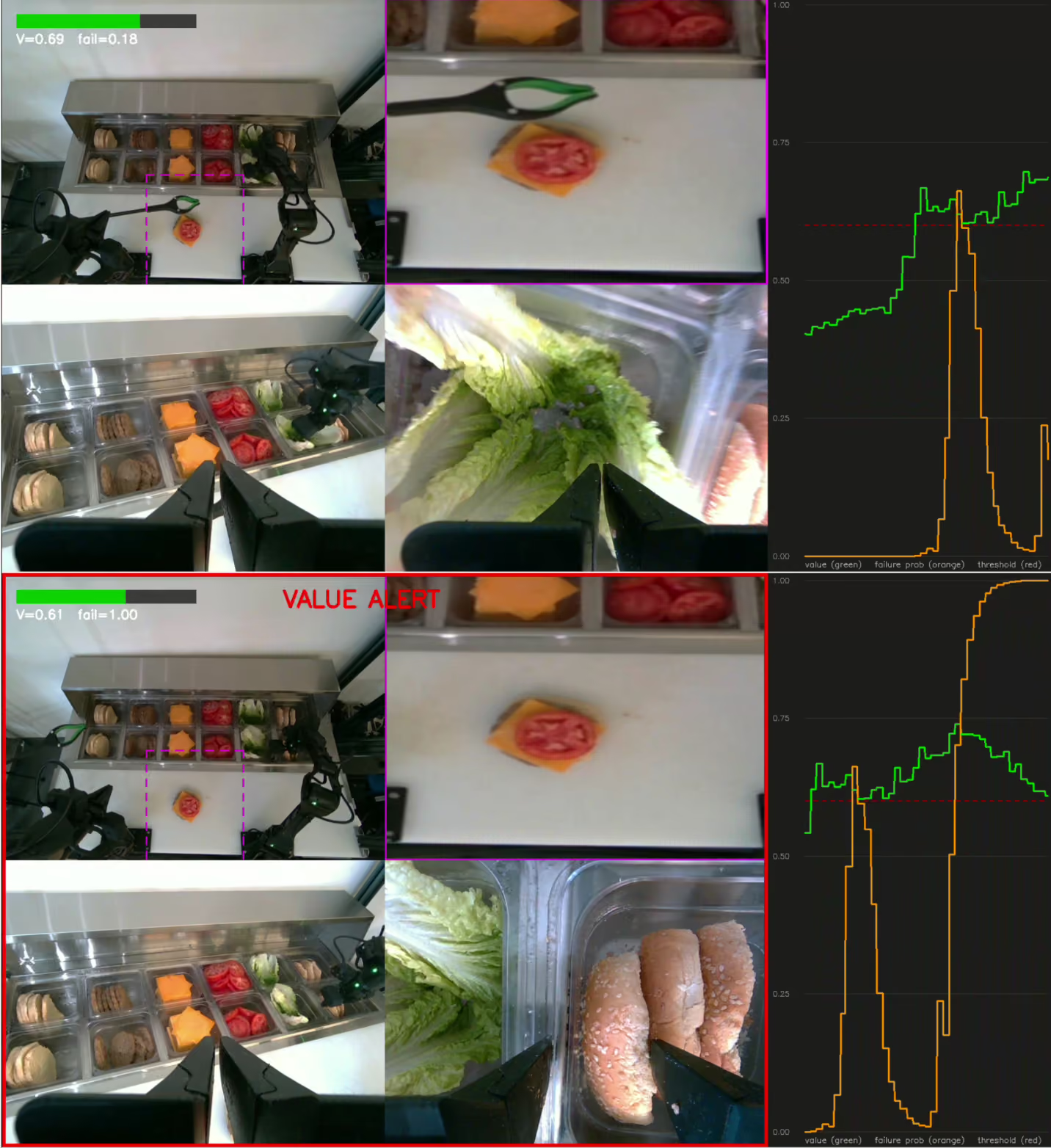
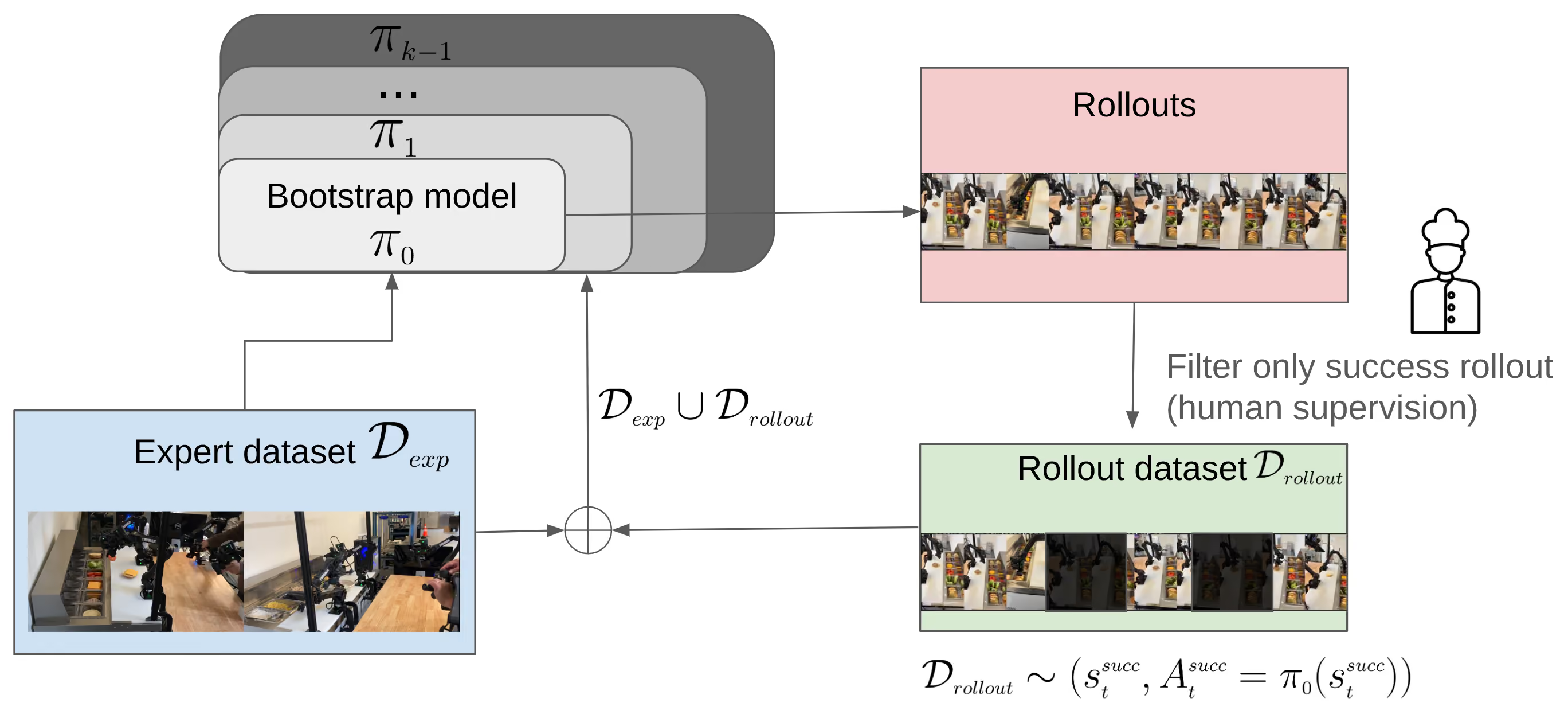
We’ve been teaching a physical AI system to assemble a burger in under a minute. Part 3 of our blog series explores how Chef’s data flywheel helped improve performance from 75% to 91.3% success rate with just 4.5% more training data.
Chef robots pick and deposit food ingredients thousands of times per hour using pneumatic grippers. Gripper opening speed directly affects placement quality and throughput, but pneumatic systems vary across robots and degrade over time, making manual tuning unreliable. We built a layered system—using a flowmeter, regression, a neural network, and online adaptive control—to measure what the gripper actually does and automatically correct for it, without manual intervention.
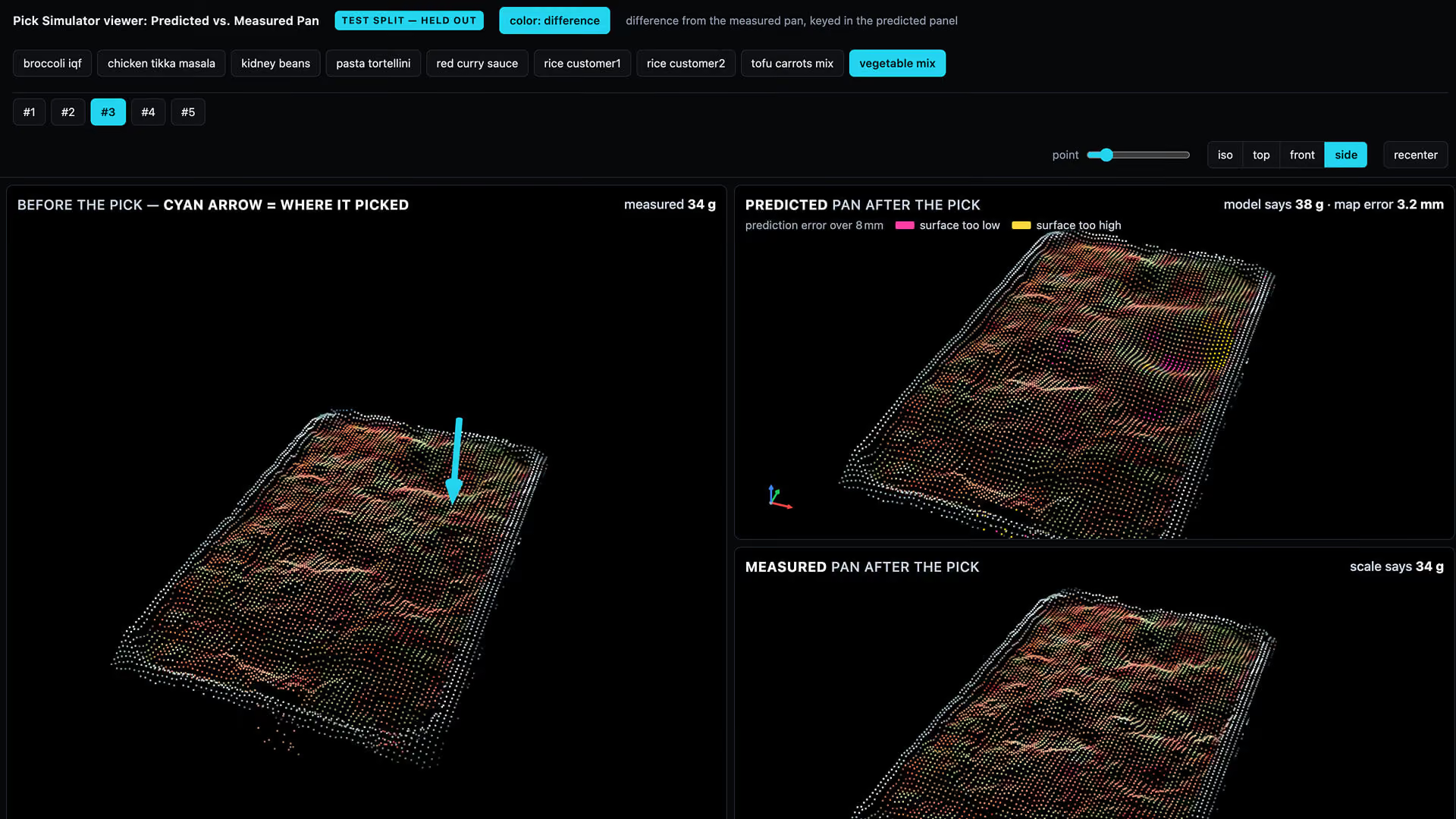
Chef’s engineering team developed CLUTCH (computationally learn and understand topology-based clasp height), a neural network-based pick depth estimator for robotic food assembly. Unlike the existing geometric model VPD (volumetric pick depth), CLUTCH ingests an ingredient point cloud and target weight to predict utensil pick depth directly from data.
Chef's conveyor companion box required physical hardware for every full-stack test path. To solve this, we built a hardware abstraction layer and an in-process PLC model that lets the complete deposit-and-go sequencing stack run on a developer laptop with zero hardware in the loop, allowing engineers to catch synchronization and timing bugs before they reach a live customer environment.
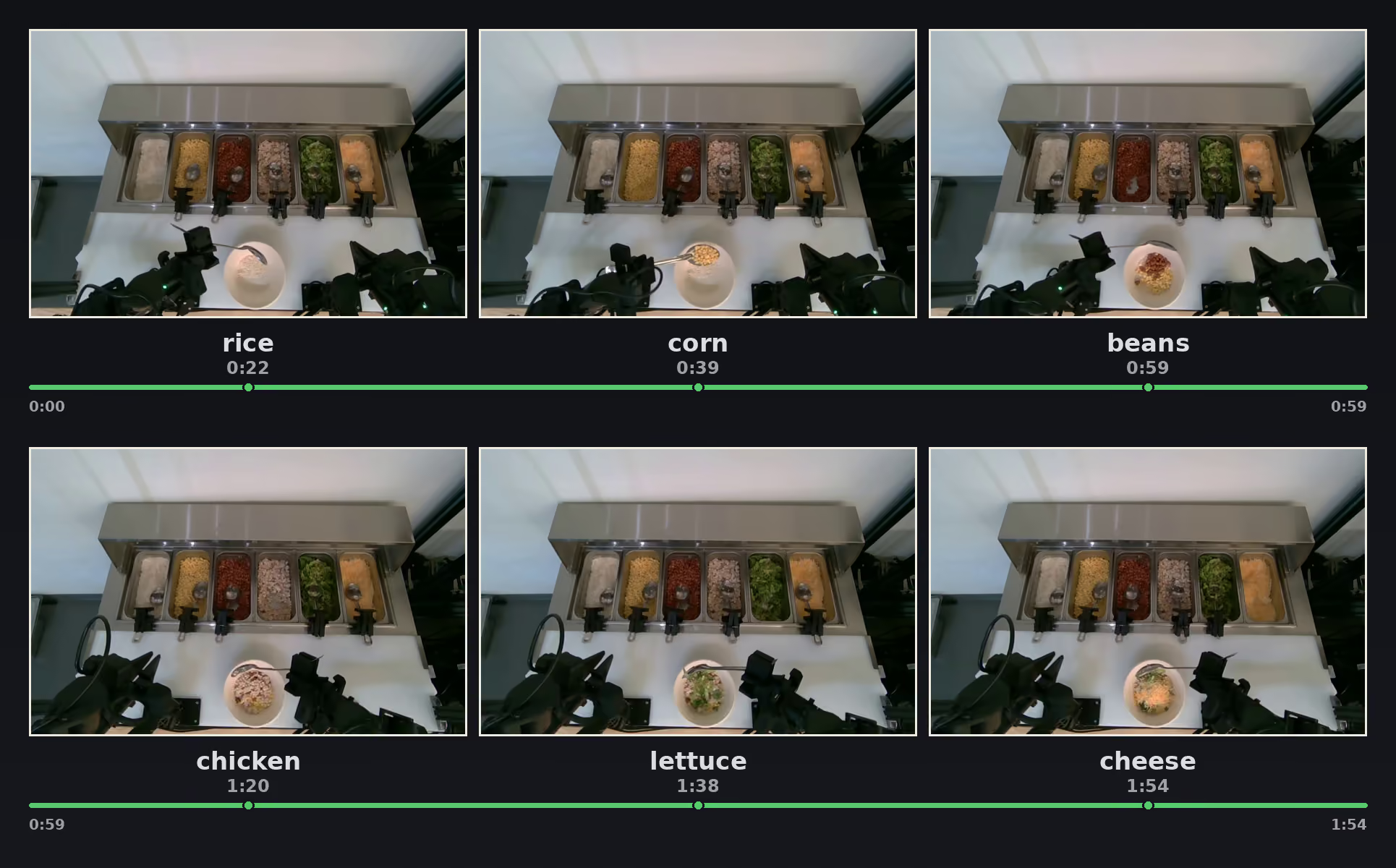
We’ve been teaching a physical AI system to build a complete burrito bowl with rice, corn, beans, chicken, lettuce, and cheese in under two minutes. The same Food Foundation Model architecture behind our burger assembly work has learned an entirely new skill from just over 25 hours of demonstration using regular kitchen utensils.
Ingredient onboarding is a fundamentally messy, real-world problem, but with the right combination of structured data, production feedback, and LLM-based reasoning, it becomes tractable at scale.
With the advent of physical AI and imitation learning, Chef’s AI team is developing a bi-manual physical AI system for prep table food assembly.
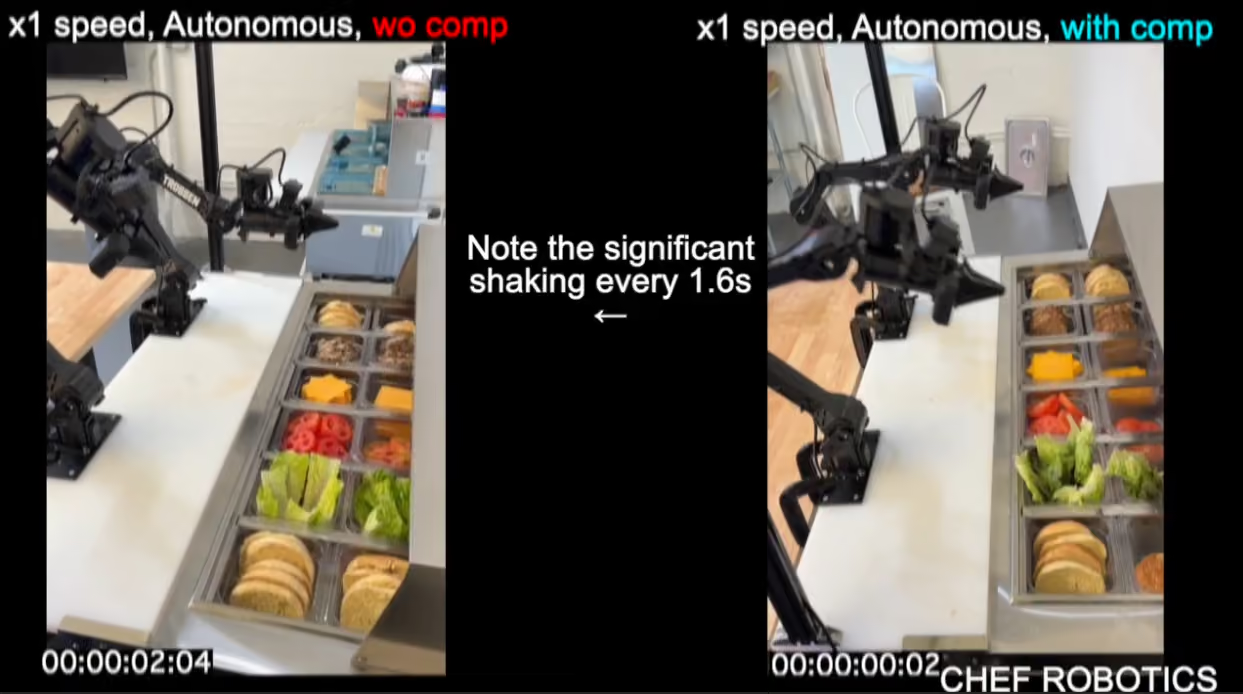
Modern vision-language-action models (VLAs) predict actions in chunks, but each new chunk starts from a stale observation, causing visible shaking at chunk boundaries. We traced this problem back to three compounding delay sources, measured each via system identification, and shifted the training target to compensate.
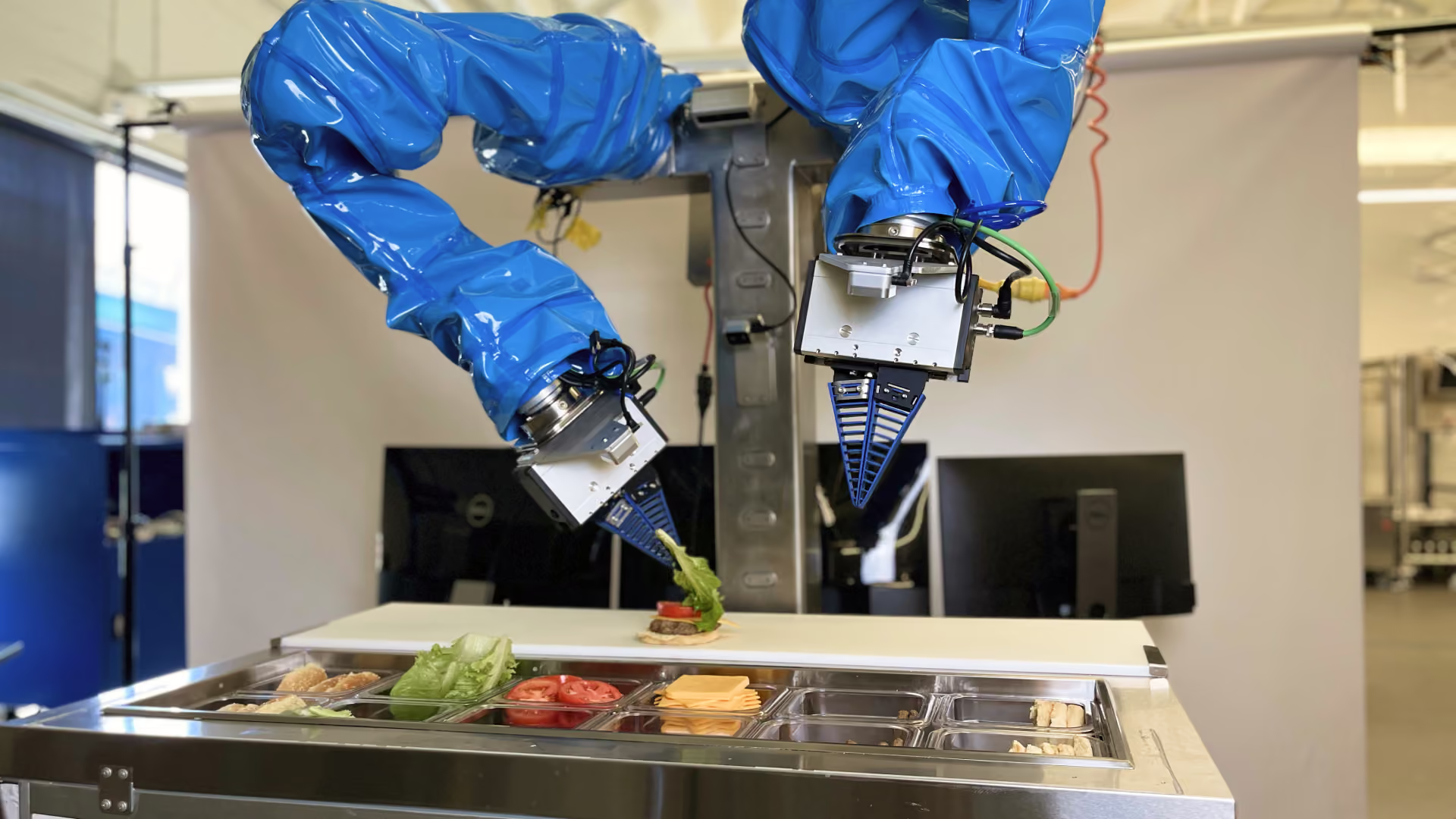
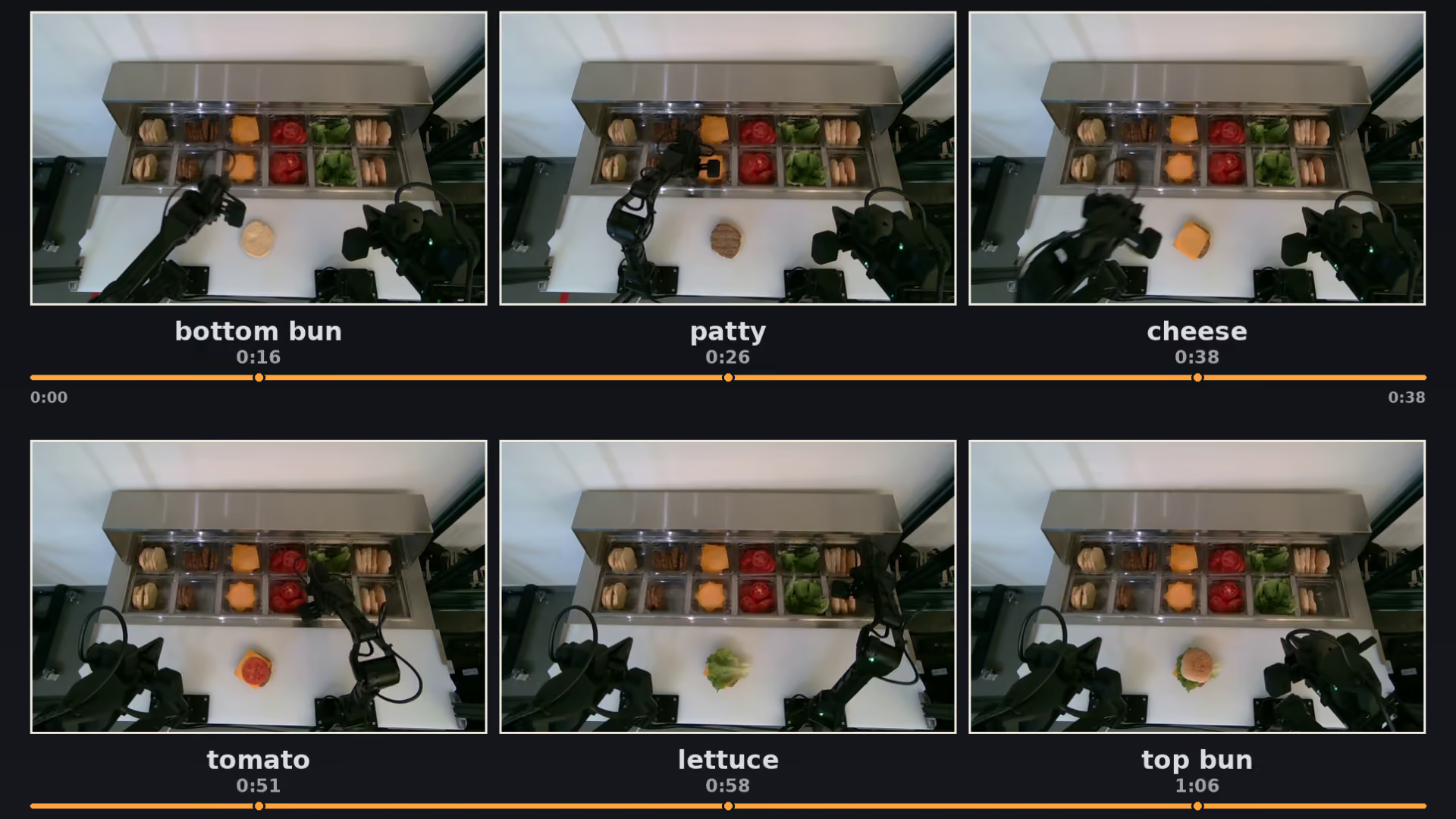
We’ve been teaching a physical AI system to pick, place, and stack a complete burger with buns, patty, cheese, lettuce, and tomato in under a minute. The technology that made this possible, our Food Manipulation Model (FFM), learned this task by demonstration with just over 26 hours of training data.
An overview of how to apply recent research breakthroughs in Generative AI to reduce customer onboarding time and improve system robustness